The Corona Chair & Ottoman: An Icon of Organic Modernism
The Corona Chair, designed by Danish master Poul M. Volther in 1964, is one of the most sculptural and iconic pieces of 20th-century furniture. Unlike the rigid rationality of Bauhaus-inspired design, the Corona Chair is celebrated for its bold, organic, and almost futuristic form, offering a unique and enveloping seating experience. It remains a powerful statement of Danish Modern design at its most adventurous.
Historical Background & Designer
-
Designer: Poul M. Volther (1923-2001)
-
Year: 1964
-
Manufacturer: Erik Jørgensen (Denmark), which has produced the chair since its inception.
-
Design Philosophy: Volther sought to break away from conventional rectilinear forms. His goal was to create a chair that functioned as a personal sanctuary, cocooning the sitter in comfort. The design was radically innovative for its time, drawing inspiration from organic structures rather than industrial aesthetics.
Design & Features
The Corona Chair is instantly recognizable due to its unique construction and striking silhouette.
-
Signature Skeletal Frame: The chair's core is its complex internal skeleton, crafted from laminated beech wood. This frame, resembling a spine or a abstract sculpture, defines the chair's flowing, fluid curves. The cushions are not merely placed on top but are suspended within this wooden structure.
-
Modular Cushions: The seating experience is created by multiple, separate blocks of high-resilience foam cushions. These are secured to the wooden frame with leather straps and buckles. This modular design creates the chair's distinctive segmented look and allows for easy maintenance and potential re-upholstery.
-
Steel Base: The complex upper structure rests on a simple, elegant cross-shaped base made of polished chrome or powder-coated steel. This base provides visual stability and emphasizes the sculptural quality of the chair above.
-
The Ottoman: The matching ottoman is not an afterthought but an integral part of the design. It replicates the chair's construction principles, featuring its own wooden skeleton and modular cushions, creating a complete and immersive lounge setting.
-
Materials & Craftsmanship:
-
Frame: Laminated beech wood.
-
Upholstery: High-resilience foam with covers available in a vast selection of premium leather or fabric.
-
Base: Chrome-plated or matte powder-coated steel.
Legacy & Cultural Significance
Upon its release, the Corona Chair was a sensation due to its avant-garde appearance. It transcended the world of furniture to become a cultural symbol.
-
Pop Culture Icon: Its futuristic look has made it a favorite in film and television, most notably appearing in "The Matrix" series, where it perfectly complemented the films' high-tech, rebellious aesthetic.
-
Timeless Appeal: Despite being designed in the 1960s, the Corona Chair feels perpetually modern. It is a staple in design museums, corporate lobbies, and sophisticated residences worldwide.
-
Authenticity: The chair is still produced by Erik Jørgensen with the same dedication to craftsmanship, ensuring its status as a authentic and collectible design classic.
In Summary
The Corona Chair & Ottoman is more than a place to sit; it is a piece of architectural sculpture for the interior. It represents a bold departure from tradition, masterfully blending organic form with deep comfort. A testament to Poul M. Volther's visionary genius, it remains a captivating and influential icon in the landscape of modern design.
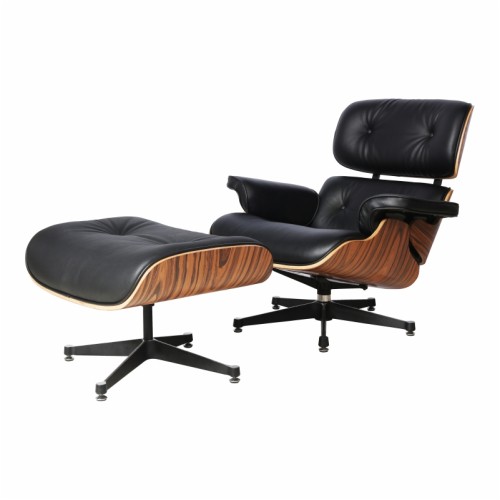
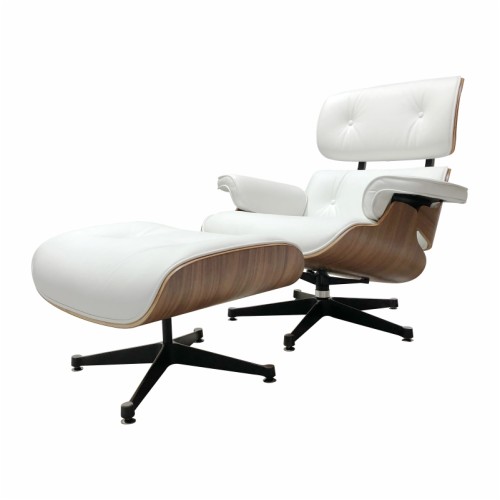
The contact surface is made of genuine leather and stainless steel feet.
chair:870*900*1100mm
ottoman:730*400*460mm